
35 patients receive stents during KSC oesophageal stenting training workshop
Updated: 2 days ago
For someone whose oesophageal cancer has made swallowing difficult, being able to eat by mouth can matter deeply. At Kyabirwa Surgical Center (KSC) in Jinja, a recent workshop brought patient care and clinical training together: stents were successfully placed in 35 of 44 unique patients assessed, while five doctors and five nurses from
different regions of Uganda trained in the procedure and its related care.
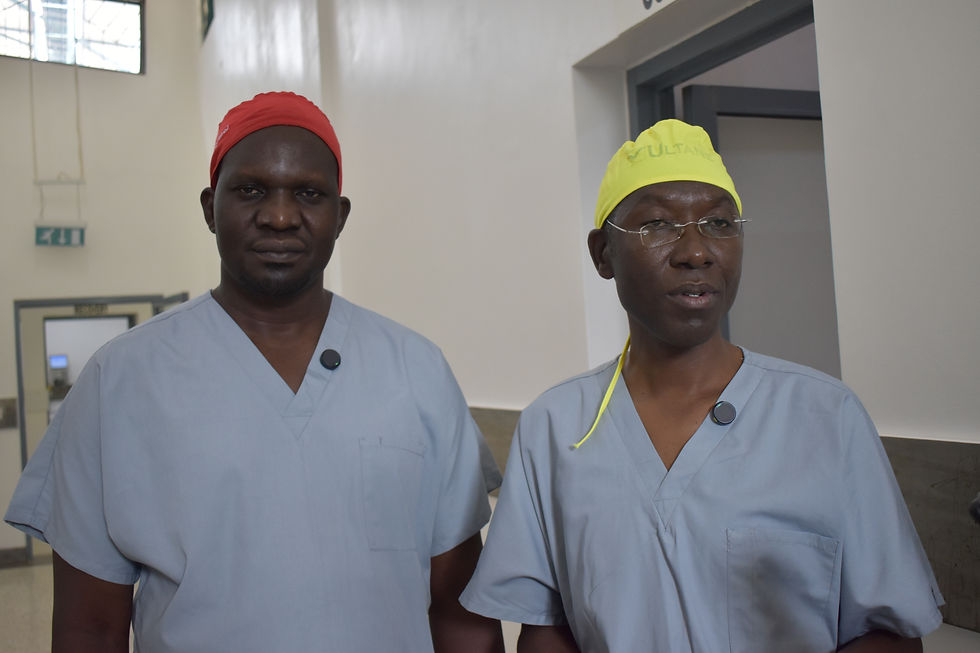
The Oesophageal Stenting Workshop ran from Monday, 12 to Friday, 16 October 2026. Dr Wilberforce M. Kabweru, head of the Thoracic Surgery Unit at Mulago National Referral and Teaching Hospital, opened the programme. Participants took part in theory sessions and practical training at KSC. Patients also came from the districts represented by participating health workers.
The other seven patients were not stented after assessment. Some had no tumour, others had stomach tumours, and in some the oesophageal tumour had completely closed the food pipe.

Why swallowing matters
The oesophagus is the tube that carries food from the mouth to the stomach. Cancer can narrow it, making swallowing increasingly difficult. For a suitable patient, a stent can hold the narrowed passage open and make eating and drinking by mouth easier. It is a form of palliative care, intended to relieve symptoms; it does not treat the cancer itself. Being able to taste a meal again can also restore a small but important part of daily life.
The need is substantial. The International Agency for Research on Cancer estimates that oesophageal cancer was Uganda’s fourth most common cancer by new cases in 2024 and its second leading cause of cancer death. Many people seek care when the disease is advanced, making support with swallowing and nutrition an important part of their care.

Taking the skill beyond Jinja
The workshop was designed to help clinicians bring this service closer to patients in their regions. Five doctors and five nurses completed the training, combining technical instruction with attention to patient care. Their participation is a step toward wider access, with continued supervised practice and local resources needed to sustain the service.
We thank the African Esophageal Cancer Consortium (AfrECC) and Global Surgical Initiatives Inc. for their contribution to the workshop. If you or someone you care for has persistent difficulty swallowing, seek a medical assessment.
Clinicians can email Dr Moses Binoga at moses.binoga@kyabirwasc.org to discuss referral for an assessment of patients who may benefit from an oesophageal stent.


Comments